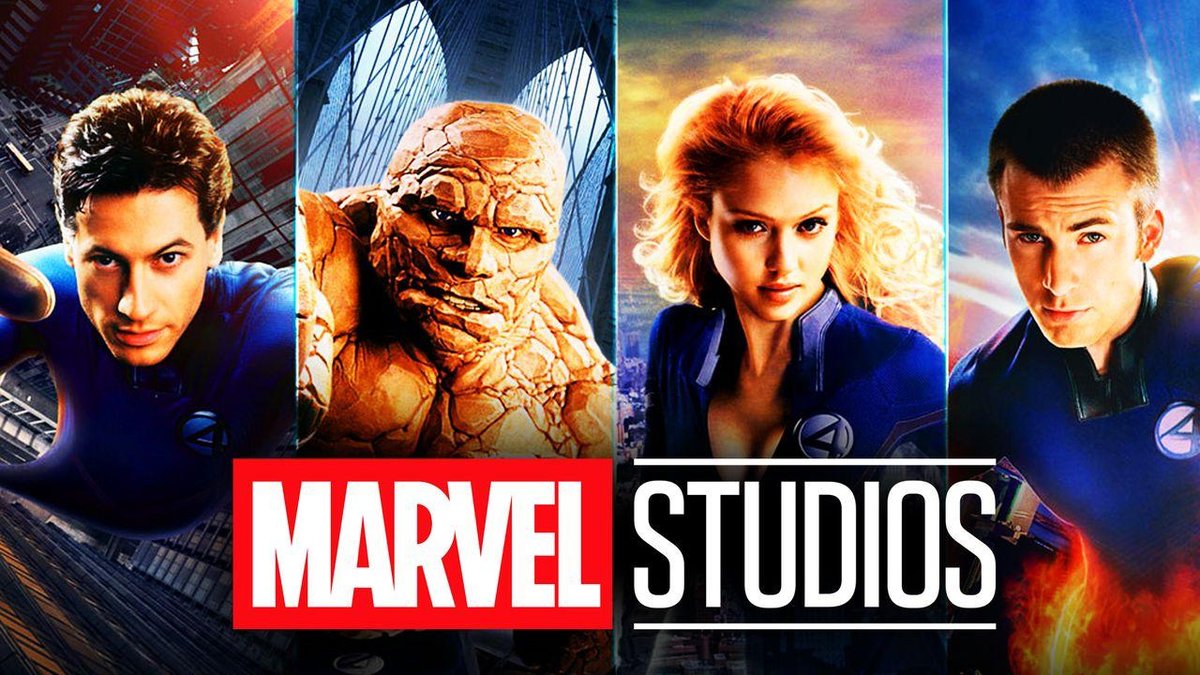
The Fantastic Four. The very name evokes images of incredible powers, cosmic adventures, and a family like no other in the Marvel Universe. But before you even open a comic or press play on a screen, there's a symbol that sets the stage: their logo. The Fantastic Four logo across media—comics, film, TV & games—isn't just a static identifier; it's a dynamic visual diary, chronicling the team's triumphs, trials, and transformations across six decades. It’s a masterclass in how a simple graphic can reflect profound shifts in narrative, creative direction, and even fan sentiment.
At a Glance: The Fantastic Four Logo's Story
- Born from Rivalry: The first logo emerged in 1961, a direct response to DC's Justice League, signifying new beginnings and hidden potential.
- Narrative Driven Design: Each logo change, from adding shadows to tilting letters, mirrored key storyline developments like the introduction of villains or shifts in team dynamics.
- A Palette of Meaning: Blue, red, white, and yellow aren't just colors; they symbolize the individual heroes' powers and the team's core values.
- The Power of Repetition: Marvel frequently revisited older logos to signal reboots, returns to classic storytelling, or changes in creative teams.
- From Fresh Start to Fading Story: Logos have ranged from vibrant and bold to subtle and even "disappearing," reflecting the franchise's peaks and valleys.
- Beyond Comics: While primarily rooted in comic art, the logo's evolution informs its presence and impact across animated series, films, and games.
The Fantastic Four: A Quick Origin Story
Before diving into the logos, let's briefly set the scene. The Fantastic Four burst onto the comic book landscape in November 1961, courtesy of the legendary duo Stan Lee and Jack Kirby at Marvel Comics. Unlike other super teams, they were a family unit: the brilliant, stretchy Mr. Fantastic (Reed Richards); the invisible and force-field-wielding Invisible Woman (Sue Storm); her hot-headed brother, the Human Torch (Johnny Storm); and the ever-lovin', rocky strongman, the Thing (Ben Grimm).
Their headquarters in the United States became the launchpad for countless adventures, pitting them against threats to Earth and the cosmos. The original comic run was prolific, lasting until 2015 before a triumphant return in 2018. This rich history, filled with innovation and character development, provides the perfect canvas for understanding how their iconic logo adapted and evolved.
Decoding the Fantastic Four Logo: A Visual Chronicle
The Fantastic Four logo has never stood still. Each iteration tells a story, a subtle nod to the era it represented. Let's trace this fascinating visual journey, Discover the Fantastic 4 logo and see how it changed over time.
1961–1962: The Genesis of Giants
The very first Fantastic Four logo was a statement of intent. Crafted by Stan Lee's ambition to rival DC Comics' Justice League, it featured dark blue letters of varying sizes and heights, complete with serifs. Colors alternated between red, blue, and yellow, hinting at the vibrant world to come. This initial design wasn't just decorative; it symbolized beginnings, the hidden capabilities of the new team, their constant transformations, and the fast-paced action that would define their adventures. It was raw, energetic, and perfectly captured the nascent spirit of Marvel's First Family.
1962–1970: Stepping into the Shadows
As the team began to solidify its place in the Marvel Universe, facing off against formidable foes like Doctor Doom (introduced in 1962), their logo subtly shifted. Black shadows appeared behind the white letters. This wasn't a mere aesthetic choice; it dramatically indicated the beginning of active battles with negative characters, the team's strengthening position as Earth's protectors, and the perennial struggle between good and evil that would become a cornerstone of their stories. The shadows added depth and drama, mirroring the increasingly complex narratives.
1970–1972: A Splash of Recognition
By 1970, The Fantastic Four was a cultural phenomenon, even registering its trademark. The first animated cartoon adaptation had premiered in 1966, further cementing their status. To reflect this broader audience recognition and affection, a striking red shadow was added to the logo's letters. This vivid red symbolized the audience's love for the team and depicted the bright, memorable adventures that fans had come to expect. It was a visual high-five to their growing popularity.
1972–1975: Protecting the Planet
A significant re-imagining took place in 1972, ushering in a new emblem. The word 'Fantastic' was presented in capital letters, forming a semi-circle at the bottom, while 'Four' was boldly positioned within that curve. The semi-circle itself was a powerful symbol, representing Earth and underscoring the team's overarching mission to protect the entire planet. 'Four' underneath implied their unwavering protection and extraordinary power. The inscription colors alternated between white, red, and yellow, signaling a fresh wave of new adventures and battles awaiting the team. This logo truly highlighted their global role.
1975–1980: A Unified Front
The mid-70s brought significant changes behind the scenes, including Jack Kirby's departure from Marvel. The logo responded with a design featuring slanted, three-dimensional capital letters, all of the same uniform size. The forward tilt of the letters demonstrated the franchise's ongoing development and forward momentum, while the consistent letter size visually reinforced the equal contribution and importance of each hero within the Fantastic Four. Colors remained loyal to the classic palette of white, red, and yellow, with blue, red, or black sides adding depth. This period emphasized their collective strength.
The Return Cycle: Logos as Narrative Anchors
One of the most intriguing aspects of the Fantastic Four logo's evolution is its frequent reversion to previous designs. These weren't simply nostalgic choices; they were deliberate narrative tools, signaling reboots, new storylines, or changes in creative teams, often designed to evoke specific eras or intentions.
- 1980–1981: Back to Black: A return to the 1962 logo, often set against a black background, marked a period that touched upon previous motives and notable crossovers, such as their memorable adventures with Spider-Man. It was a way to ground new stories in familiar visual history.
- 1981–1987: The Red Revival: With new authors Doug Moench and Bill Sienkiewicz aiming to revive a declining series, the team reverted to the 1970s logo, often with a red background. This "Back to the Basics" approach sought to recapture the essence of those beloved, recognized adventures.
- 1985–1992: A Fresh Start, Twice Over: Under scriptwriter Steve Englehart, who boldly removed Mr. Fantastic and Invisible Woman from the team, Marvel reverted to the very first 1961 logo. This signaled a dramatic new beginning, attempting to redefine the team. However, when Englehart's changes were met with fan disapproval and the original heroes were brought back, the 1962 logo was strategically re-used again from 1992 to 2002 for a "revival attempt number two," hoping to reconnect with a more traditional era.
- 2004–2008: Creative Flux: During a period characterized by frequent writer and artist changes, the 1961 version made yet another comeback. This repetition of the foundational logo often served as a visual anchor during times of creative uncertainty, aiming to remind readers of the team's enduring core.
- 2009–2012: Leaning into the Future: The 1975 logo, with its distinctive forward tilt, was revisited. This time, the slant of the letters hinted at "running into the future," supporting new and often darker series like "Dark Reign: Fantastic Four," where the team faced unprecedented challenges.
These strategic re-uses demonstrate the profound power of a logo beyond mere identification; it becomes a storytelling device, capable of evoking specific moods, eras, and narrative intentions.
2002–2004: The "4" Takes Center Stage
A fundamentally new logo emerged in the early 2000s, signaling a bold, modern direction. This design featured a striking blue oval containing the number '4', with "Fantastic Four" written above it in red letters, separated by a distinct red line. Each element was carefully chosen for its symbolic weight: the oval represented the team's universe, the '4' clearly highlighted the number of heroes, blue echoed their iconic costumes, and the red line conveyed speed and precision. This was a clean, impactful design for a new millennium.
2008–2009: Dark Times, New Faces
Dramatic changes within the team, including Black Panther and Storm temporarily replacing Reed and Sue, necessitated another logo evolution. This iteration featured a dark blue "Fantastic" followed by a blue circle enclosing a white number '4' at the end. The dark shades hinted at the challenging, "dark times" the team was facing. The circle symbolized the planet they protected, and the prominent, large '4' underscored the team's significant, though perhaps newly constituted, contribution to Earth's safety. It was a logo that reflected gravitas and shifting dynamics.
2013–2014 (Volume 4): Celestial Explorers
A rebooted Volume 4 saw a logo reminiscent of the 1972 design, but with smoother letters and a distinct bend. Dominated by a blue color palette, this logo pointed directly to celestial themes and the team's frequent space flights. It emphasized their role as cosmic explorers and scientific pioneers, a core aspect of Mr. Fantastic's character and the team's adventures beyond Earth.
2014–2015 (Volume 5): The Fading Fantastic
The final comic series before the team's hiatus featured perhaps the most poignant logo. It depicted a completely white, almost "disappearing" "Fantastic" inscription, with the number '4' placed subtly in the middle. This design wasn't just aesthetic; it powerfully symbolized the gradual fading of their story, declining fan interest during a controversial period, and the eventual fracturing of the team itself. It was a visual elegy for a chapter ending.
2018–Today: A Fresh Start, A Bold Future
Following their much-anticipated return, the current logo heralds a fresh start for the Fantastic Four. It features a pointed "Fantastic Four" inscription, with the iconic number '4' once again nestled within a circle. White symbols represent renewal and a clean slate, while dark and light blue shadows elegantly signify the franchise's rich past, harmonizing with their classic costume colors. The emblem's subtle tilt, moving away and upwards, isn't just a design choice; it suggests an eternal continuation of their story, a perpetual forward momentum into new adventures.
The Anatomy of a Symbol: Fonts, Colors, and Core Meanings
Beyond the specific designs, the Fantastic Four logos consistently draw upon a core set of visual principles and a distinct color palette, making them instantly recognizable.
The Power of Color
The recurring use of yellow, red, blue, and white isn't accidental; these colors are deeply associated with the heroes' outfits and their missions:
- Blue: This dominant color symbolizes Mr. Fantastic's incredible stretching and flexibility, representing science, knowledge, and serves as the overall team color, reflecting their intellect and cohesive nature.
- Red: Fiery and dynamic, red directly represents the Human Torch's powers, but also conveys danger, speed, and the intense battles the team frequently faces.
- White: Often associated with the Invisible Woman's transparent fields and invisibility, white also signifies updates, new beginnings, and purity of purpose, particularly in reboots.
- Yellow: A shade close to the Thing's rocky hue, yellow brings a sense of joy, optimism, and the team's ultimate success and enduring spirit.
Stylistic Elements
Unique elements like tilted inscriptions with serrations aren't just for flair. They often represent sharp storylines, dramatic twists, and the edgy nature of their adventures. The fonts, while varying, always convey strength and superheroic gravitas, shifting between elegant serifs and bold, modern sans-serifs to reflect the prevailing design sensibilities of their era.
Beyond the Page: Fantastic Four Logos in Film, TV, and Games
While the most detailed logo evolution comes from the comic books, their journey extends powerfully into other media. The provided animated series dates – 1967–1968, 1978, 1994–1996, and 2006–2007 – indicate consistent media presence, during which the comic book logos often served as direct inspiration or were adapted for the screen.
In animated series, film, and video games, the core design principles and color schemes established in the comics are almost always maintained. Filmmakers and game developers strive to create a logo that is immediately recognizable to fans, often choosing a classic comic logo or a modern interpretation that resonates with the current comic book era or the film's specific tone. For instance, a film adaptation might lean into the bold, modern '4' in a circle, or a more classic, shadowed text logo, depending on whether it's aiming for a retro feel or a contemporary blockbuster aesthetic. The fundamental visual language of the Fantastic Four, especially the iconic '4' and the core color palette, remains steadfast, ensuring visual continuity across platforms.
What Does a Logo Really Say?
For a franchise like the Fantastic Four, a logo is far more than just a brand mark. It's a living artifact, a condensed visual narrative of over six decades of storytelling. Each alteration, subtle or dramatic, offers a glimpse into the creative intent, the challenges faced, and the triumphs celebrated within the Marvel Universe.
Think about it: a logo can tell you if a series is trying to get "back to basics," embarking on a dark new chapter, or celebrating a triumphant return. It's a promise to the reader or viewer about what kind of journey they're about to embark on. This dynamic evolution of the Fantastic Four logo is a testament to the enduring power of visual identity and its ability to communicate complex ideas in an instant.
Your Fantastic Four Logo Questions Answered
We get a lot of questions about the Fantastic Four logo, its history, and its deeper meanings. Here are some of the most common ones, answered directly.
Q: Who created the first Fantastic Four logo?
A: While the overall concept and design principles would have been a collaboration, the first logo emerged under Stan Lee's direction in 1961, as he spearheaded the creation of Marvel's new superhero team alongside Jack Kirby.
Q: Why does the logo change so often?
A: The Fantastic Four logo changes frequently because it serves as a visual indicator of significant shifts in storyline, creative teams, or brand direction within the comics. Each change is deliberate, signaling new eras or returning to classic themes.
Q: What do the colors in the Fantastic Four logo represent?
A: The primary colors – blue, red, white, and yellow – are highly symbolic: blue for Mr. Fantastic's intellect and the team, red for the Human Torch's fire and danger, white for Invisible Woman's powers and new beginnings, and yellow for the Thing's strength and joy.
Q: Have the film and TV logos always mirrored the comic book logos?
A: While film and TV logos often draw heavily from comic book designs, they don't always mirror them exactly. They typically adapt and modernize existing comic logos or create new interpretations that maintain the core visual identity (like the "4" emblem) to suit the specific aesthetic and tone of the on-screen adaptation.
Q: Is there one "definitive" Fantastic Four logo?
A: Given its continuous evolution, there isn't a single "definitive" logo. However, the logo featuring the prominent number '4' (often in a circle or emphasized) is arguably the most recognizable and enduring element across all iterations, acting as a constant symbol of the team.
The Enduring Legacy of a Dynamic Emblem
The Fantastic Four logo is more than just a graphic on a comic book cover or a title card for a movie. It's a vibrant, living piece of design history, mirroring the epic saga of Marvel's First Family. From its humble beginnings in 1961 to its latest iteration, each version has told a part of their incredible story—of cosmic rays, family bonds, scientific breakthroughs, and world-saving heroics.
As the Fantastic Four continue their adventures, both on the page and across various media, one thing is certain: their logo will continue to evolve. It will adapt, reflect, and perhaps even predict the next chapter for Mr. Fantastic, Invisible Woman, Human Torch, and the Thing. Keeping an eye on their emblem isn't just appreciating design; it's watching the pulse of a beloved franchise, one fantastic symbol at a time.