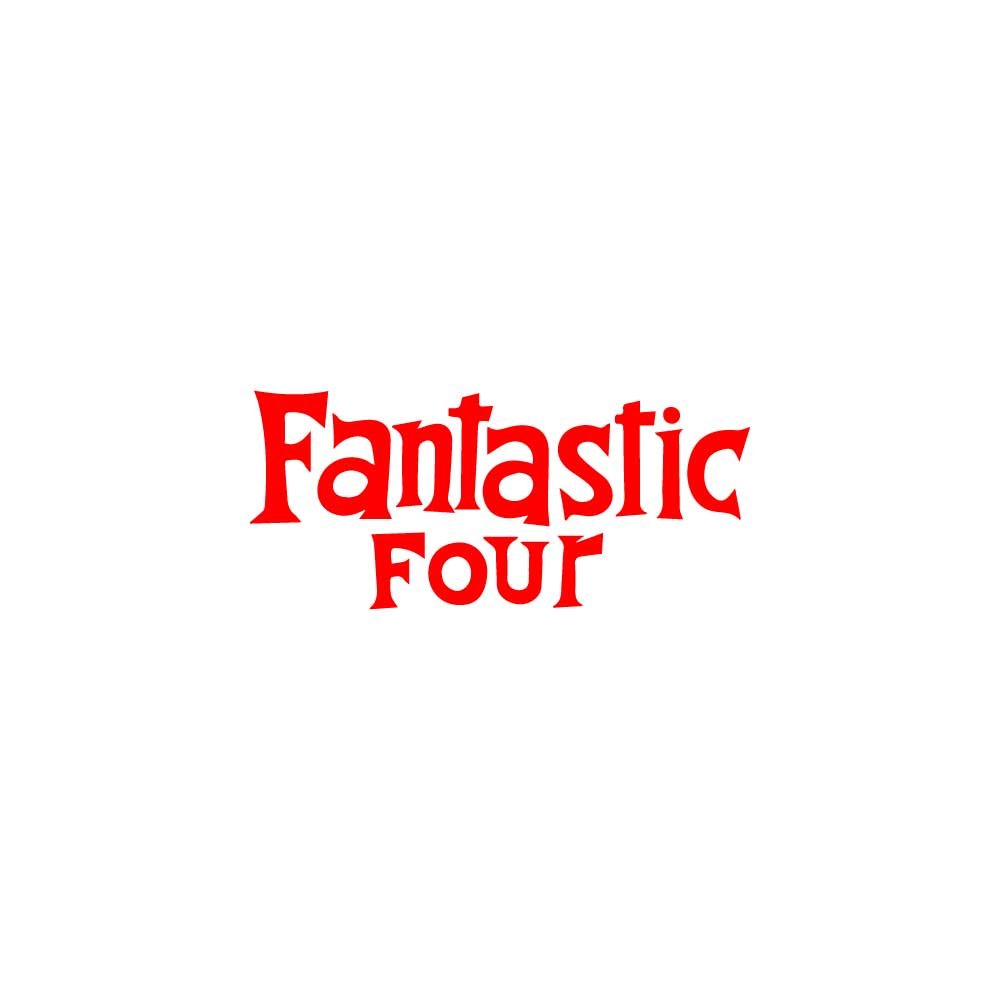
The Fantastic Four, Marvel's First Family, is on the cusp of a major cinematic reintroduction, and with it, the Future & Rebranding Discussions for the Fantastic Four Logo have naturally moved to the forefront. When a brand as iconic as the Fantastic Four steps into a new era, especially with a fresh film like "The Fantastic Four: First Steps," its visual identity becomes a critical talking point. From subtle tweaks to bold new directions, the evolution of this storied emblem isn't just about aesthetics; it's about signaling intent, honoring legacy, and capturing the imagination of a new generation. Let’s dive into what makes this logo so pivotal and the strategic considerations for its future.
At a Glance: What to Know About the Fantastic Four Logo’s Future
- A New Cinematic Chapter: The upcoming film, "The Fantastic Four: First Steps," introduces a fresh logo, setting the stage for renewed branding conversations.
- Iconic Symbolism: The "4 inside a circle" is the brand's unwavering anchor, evolving in style but never its core concept.
- Balancing Act: Future rebranding efforts must skillfully balance a rich, storied history with modern design sensibilities and evolving storytelling.
- Key Elements: Consistent bold, uppercase letters, blue and white color associations, and the signature '4' glyph are foundational.
- Strategic Opportunity: Each new iteration is a chance to define the team's identity for a new audience while retaining its emotional resonance.
- Beyond the Screen: Logo discussions impact comics, merchandise, and broader media, demanding a cohesive cross-platform strategy.
Why Talk Rebranding Now? The Fantastic Four's Fresh Start
Every major movie release for a beloved franchise is a chance to redefine its visual language, but for the Fantastic Four, this moment feels particularly significant. The journey to "The Fantastic Four: First Steps" has been a winding one, hinting at the careful thought going into every aspect of this relaunch. Originally announced at San Diego Comic Con in 2022 for a November 8, 2024 release, the film shifted dates several times — first to February 14, 2025 (taking "Blade"'s spot after "Deadpool & Wolverine" moved), then to May 2, 2025, before finally landing on July 25, 2025. It proudly stands as the first film in Phase Six, arriving after "Thunderbolts*" transitioned to Phase Five.
This careful scheduling, coupled with the initial logo reveal on February 14, 2024, (extending the title with "The"), and its further expansion to "The Fantastic Four: First Steps" on July 27, 2024, sends a clear message: Marvel is being deliberate. The logo isn't just an afterthought; it's the front-facing emblem of this new beginning. A prequel comic of the same name also dropped on July 2, 2025, ensuring a holistic brand rollout. This isn't just a movie; it's a re-introduction, and the logo is your first handshake.
The Foundation: Fantastic Four's Enduring Legacy
To understand where the Fantastic Four logo might go, you first need to appreciate where it comes from, and what the team itself represents. Created by the legendary duo Stan Lee and Jack Kirby, the Fantastic Four debuted in "The Fantastic Four #1" in 1961. Born from the burgeoning space race obsession of the era, the team is a cosmic twist on the traditional superhero archetype.
At its heart, the Fantastic Four is a family: Reed Richards (Mister Fantastic), the brilliant but often aloof patriarch who can stretch infinitely; Sue Storm (Invisible Woman), the team's bedrock, capable of invisibility and powerful forcefields; Johnny Storm (Human Torch), the fiery, impetuous younger brother who can generate flames and fly; and Ben Grimm (The Thing), the strong, gruff, yet vulnerable heart of the group, possessing superhuman strength and near indestructibility. They are often portrayed as a loving but wonderfully dysfunctional unit, grappling with universal threats like Galactus and Doctor Doom, while also dealing with everyday family squabbles. This "First Family" dynamic is crucial to their identity, and any successful logo rebrand must reflect this balance of grand adventure and relatable humanity.
A Journey Through Time: The Fantastic Four Logo's Evolution
Like any long-running, culturally significant brand, the Fantastic Four logo has undergone numerous transformations across comics, animation, and film. Each iteration reflects the design sensibilities of its era and the particular creative direction of the project it represents. Tracing this evolution offers invaluable insight into what resonates—and what perhaps doesn't. For a comprehensive look at how this emblem has changed over the decades, you might want to check out The Fantastic 4 logo guide.
Comic Book Cadence: From Bouncy to Bold
The comic book logos are perhaps the most diverse, often experimenting with different aesthetics to match the tone of an ongoing series or a relaunch.
- The 1961 Debut: The original logo was wonderfully informal, featuring an uneven, bouncy font. It often varied in color and sometimes included a small "the," reflecting the nascent days of superhero branding where consistency wasn't always paramount. It had a kinetic energy that mirrored the era's adventurous spirit.
- The 1972 Straightforwardness: This version saw a shift towards a more polished wordmark. "Fantastic" curved subtly at the bottom, while "Four" sat atop it, creating a more balanced and recognizable shape. This marked a move towards clearer, more structured branding.
- The 1998 Revival: This logo revisited the original's playful font but added a modern touch with shadowing, giving it a hovering, slightly 3D effect. It was an homage that modernized the classic, aiming for both familiarity and contemporary appeal.
- The 2014 Modernized Wordmark: A bolder, more interconnected design emerged here. Letters often linked together, a strong line ran across the top, and in a notable design choice, the "A" in "Fantastic" was replaced with a "4." While aiming for a powerful, sleek look, this particular iteration sometimes struggled with legibility, highlighting a common pitfall in logo design: innovation shouldn't compromise clarity.
- The 2018 Back to Basics: The most recent comic logo embraced an older, more traditional aesthetic. It's clearer, often presented with a 3D effect, and most importantly, it prominently features the iconic "4" glyph encircled, positioned right next to the word "Four." This version underscores a return to foundational elements, emphasizing the team's core identity with timeless design principles.
Silver Screen & Animation Shifts: Adapting for New Mediums
Moving from static comic panels to dynamic screens introduces new considerations. Logos must pop, be instantly recognizable, and often carry the weight of an entire production.
- Early Animation (1960s-70s): Initial animated title screens frequently depicted the characters standing before a massive yellow "4." The 1967 cartoon formalized this with a bold screen featuring a large yellow "4" and "Fantastic" contained within a white rectangle. The 1978 animation, perhaps seeking authenticity, mirrored the original comic book design, often in bright red, demonstrating a direct translation approach.
- The 1994 & 2006 Animation Logos: The 1994 animated series introduced metallic glyphs and even included two variations of the Fantastic Four symbol, showing an interest in more elaborate, stylized branding. The 2006 animation logo returned to a font style reminiscent of the original comic typeface, integrating the '4' symbol on the left, demonstrating a desire to bridge the gap between comic heritage and animation.
- Live-Action Film Adaptations (2005 & 2015): The big screen demands a logo that feels cinematic and impactful. The 2005 live-action film presented a modern, metallic-edged title screen, cleverly using the Fantastic Four symbol to separate the words "Fantastic" and "Four." This design felt contemporary and emphasized the symbol's importance. The 2015 remake went for an even slimmer, more modern sans-serif font, again replacing the "A" with a "4" glyph. This version aimed for a powerful, futuristic aesthetic, though the film's reception meant the logo didn't quite achieve lasting iconic status.
Dissecting the DNA: What Makes a Fantastic Four Logo Fantastic?
Amidst all these stylistic shifts, certain elements have proven resilient, forming the bedrock of the Fantastic Four's visual identity. Understanding these is paramount for any future rebranding discussion.
The Iconic "4 Inside a Circle" Symbol
This is, without a doubt, the single most recognizable aspect of the Fantastic Four brand. The number "4" enclosed within a circle is a powerful, simple, and instantly identifiable mark. Modern iterations often show the "4" elegantly connecting to the right side of the circle, creating a sense of dynamic flow. Earlier versions, however, sometimes depicted the "4" spreading more expansively across the entire circle, giving it a bolder, more encompassing feel. Regardless of the stylistic nuance, this symbol is non-negotiable; it's the anchor of their brand identity.
Color Palette: Blue, White, and the Occasional Pop
While there isn't one single, universally mandated set of logo colors, blue and white are overwhelmingly associated with the Fantastic Four. These colors frequently appear in their uniforms, their comic book covers, and of course, their logos. Blue often conveys stability, intelligence, and heroism, while white suggests purity, clarity, and the futuristic aspect of their adventures. Other colors might be used for emphasis or background, but blue and white are the team's signature hues, offering a strong, clean base for any design.
Font Choices: Serif vs. Sans-Serif and the Power of Boldness
Font choice plays a massive role in conveying personality.
- Serif Fonts: Many comic book logos, including the most recent 2018 iteration, lean into serif fonts with sharp, capital letters. Serifs (the small decorative strokes at the ends of letters) can evoke a sense of tradition, classic heroism, and gravitas, aligning with the Fantastic Four's legacy as Marvel's "First Family."
- Sans-Serif Fonts: Conversely, recent movie logos, like that for "The Fantastic Four: First Steps," have opted for simpler sans-serif fonts with sleek, narrow lines. Sans-serifs (without those decorative strokes) typically communicate modernity, efficiency, and a forward-thinking attitude—perfect for a team that often deals with scientific exploration and futuristic threats.
The common thread, however, is bold, uppercase letters. Whether serif or sans-serif, the Fantastic Four logo demands a strong, impactful presence. It's a statement, not a whisper.
The "First Steps" Forward: Analyzing the Latest Movie Logo
The reveal of the logo for "The Fantastic Four: First Steps" offers a tangible starting point for our discussions on future branding. It's not just a title; it's a carefully crafted message.
First Impression: "The Fantastic Four"
When the initial title was simply "The Fantastic Four" with the added "The," it immediately signaled a return to classicism, an emphasis on their definitive status. The logo itself leaned into a sleek, sans-serif aesthetic, often rendered in metallic or vibrant blue tones. It felt clean, modern, and perhaps intentionally understated, allowing the "First Family" concept to shine without overt visual fireworks.
Expanding the Narrative: "The Fantastic Four: First Steps"
The later addition of "First Steps" changed the entire dynamic. It instantly added context, intrigue, and a sense of beginning. The logo likely integrates this subtitle in a complementary, non-dominant way, ensuring "Fantastic Four" remains the primary visual focus while "First Steps" acts as a narrative invitation. This layered approach allows for both brand recognition and story initiation.
Design Choices and Their Implications
The likely design for "The Fantastic Four: First Steps" will feature:
- A Simple Sans-Serif Font: This choice projects modernity, scientific rigor, and a clean aesthetic. It avoids the nostalgic feel of some comic logos, positioning the team firmly in the contemporary MCU.
- Sleek, Narrow Lines: This gives the logo a sophisticated, almost futuristic edge, hinting at the team's cosmic origins and their role as explorers of the unknown. It also makes the logo feel less bulky, more nimble.
- Emphasis on the Wordmark: While the "4" symbol is undoubtedly present (perhaps subtly integrated or as a standalone icon), the wordmark itself often takes center stage in movie logos, ensuring maximum legibility from a distance.
This approach suggests Marvel is aiming for a fresh, accessible entry point for new audiences, while still retaining the inherent dignity and scientific prowess associated with the team. It's a statement of evolution, not revolution, for a brand that needs to feel both timeless and timely.
The Road Ahead: Key Considerations for Future Rebranding
Looking beyond "First Steps," what strategic guideposts should designers and marketers keep in mind for the Fantastic Four logo's evolution? The discussions around future rebranding aren't just about tweaking fonts; they're about reinforcing identity.
Balancing Heritage with Modernity
This is the perennial challenge for any established brand. How do you respect six decades of history without looking dated?
- The Power of the '4' Symbol: This must remain sacred. Any rebrand should treat the "4 inside a circle" as the ultimate brand anchor. Experiment with its rendering (metallic, flat, glowing) but never its core form. It's the visual shorthand for who they are.
- Evolution, Not Erasure: Radical departures often alienate long-time fans. Consider subtle refinements that modernize proportions, spacing, or negative space, rather than entirely scrapping existing elements that resonate.
- Nods to the Past: Can a new logo subtly integrate elements from beloved past comic logos? Perhaps a specific curve, a shadow effect, or a hint of a classic color gradient. These small tributes can build goodwill.
Storytelling Through Design: Reflecting the "First Family"
A logo isn't just a pretty picture; it tells a story. For the Fantastic Four, that story is complex: science, exploration, family, and extraordinary powers.
- The Family Dynamic: Can the logo convey a sense of unity or interdependence? Perhaps through interconnected letterforms, or a design that feels cohesive and balanced, mirroring their bond.
- Scientific Discovery & Adventure: Can the font choice hint at their scientific background (clean, precise) or their adventurous spirit (dynamic, bold)? Consider how a sharp, geometric font might suggest scientific precision, while a slightly more organic one could hint at their humanity.
- Cosmic Scale: As explorers of the universe, their logo should feel expansive, not constrained. This could be achieved through subtle use of light, texture, or even a sense of movement in the design.
Consistency Across Platforms: Comics, Films, Games, and Beyond
In today's multi-media landscape, a logo must perform across diverse platforms without losing its essence.
- Adaptability: A good logo design should scale well from a tiny app icon to a massive movie poster. It needs to be effective in full color, monochrome, and various digital formats.
- Unified Vision: While minor variations are acceptable (e.g., a comic logo might have more detail than a minimalist film logo), the core visual identity—the '4' symbol, color associations, and general tone—should be instantly recognizable across all media. This means careful coordination between Marvel Studios, Marvel Comics, and licensees.
- Merchandise Impact: Think about how the logo will look on t-shirts, action figures, and other merchandise. Simplicity and impact are often key here, favoring designs that translate well to physical products.
Avoiding Common Pitfalls: The Danger of Losing Identity
History is littered with examples of rebrands that went awry. For the Fantastic Four, the stakes are incredibly high.
- Over-Modernization: Chasing trends can quickly make a logo look dated. Aim for timelessness over temporary coolness. If a design feels too generic or overly trendy, it risks losing the unique Fantastic Four identity.
- Ignoring Fan Sentiment: While not every design choice should be a referendum, completely disregarding what long-time fans cherish can backfire significantly. The '4' symbol is particularly sensitive.
- Lack of Clarity: As seen with some past comic logos, intricate or overly stylized designs can sacrifice legibility. A logo must be clear and instantly understandable, even at a glance.
- Inconsistency with Brand Values: If the logo feels aggressive when the team is about family and science, or overly whimsical when they face cosmic threats, there's a disconnect. The logo must align with the core values and tone of the Fantastic Four.
Crafting the Next Chapter: A Strategic Approach to Rebranding
A successful Fantastic Four logo rebrand isn't a spontaneous act of creativity; it's a strategic process. Here's how a seasoned team might approach it:
Step 1: Deep Dive into Brand Essence
Before sketching a single line, the team must answer: What is the Fantastic Four, truly? Beyond their powers, what are their core values? Is it scientific exploration, family bonds, cosmic adventure, the burden of responsibility, or all of the above? A brand audit, surveying comic history, cinematic portrayals, and fan perception, helps crystalize this essence. This foundation ensures the logo communicates the right message.
Step 2: Audience Insights and Expectations
Who is the target audience? New MCU fans? Long-time comic readers? Both? Understanding what resonates with each group—and where their expectations might diverge—is crucial. Focus groups, surveys, and social media listening can provide valuable data on how existing logos are perceived and what visual cues audiences associate with the team. For example, some fans might prefer a more retro, comic-accurate look, while others might lean towards a sleek, minimalist design that fits with the wider MCU aesthetic.
Step 3: Iterative Design & Feedback Loops
This isn't a "one and done" process. Designers should create multiple concepts, ranging from conservative refinements to more daring interpretations. These should then be rigorously tested.
- Internal Stakeholder Reviews: Get feedback from Marvel executives, film directors, comic editors, and even the creators (if available and relevant).
- External Market Testing: Show concepts to various audience segments. How do they react? What feelings does each design evoke?
- Refinement Cycles: Based on feedback, concepts are refined, combined, and re-presented. This iterative approach ensures the final design is robust and well-vetted.
Step 4: The Power of Subtlety vs. Radical Reinvention
Deciding how much to change is a critical strategic choice.
- Subtle Refinement: Often, small adjustments to kerning, letter proportions, color saturation, or the rendering of the '4' symbol can make a significant difference without alienating fans. This approach suggests confidence and continuity.
- Radical Reinvention (Rare): A complete overhaul is typically reserved for brands in crisis or for a true, definitive relaunch that seeks to sever ties with past iterations. For the Fantastic Four, given its enduring popularity, such a move would be risky unless absolutely necessary to signal a paradigm shift. The "First Steps" logo leans more towards subtle refinement, suggesting Marvel isn't aiming for a radical departure, but a fresh, modern take on familiar territory.
Common Questions About Rebranding the FF Logo
Will the "4 inside a circle" ever disappear from the logo?
Highly unlikely. This symbol is the Fantastic Four's most iconic and consistent brand element across all media. Removing it would be akin to removing the Bat-symbol from Batman – a catastrophic loss of identity.
Why do movie logos often look different from comic logos?
Movie logos need to function on a global, cinematic scale. They often prioritize legibility, modernity, and impact on a large screen or poster, sometimes favoring simpler sans-serif fonts. Comic logos, while still needing to be impactful, can sometimes afford more stylistic experimentation or align more closely with specific artistic runs.
What role do colors play in the logo?
Colors like blue and white are deeply ingrained in the Fantastic Four's visual identity, evoking stability, science, and heroism. While a logo might occasionally experiment with other hues (e.g., a fiery red for Human Torch-centric branding), these core colors provide a strong, recognizable foundation.
Is it possible for a logo rebrand to fail?
Absolutely. A rebrand can fail if it alienates the existing fanbase, doesn't clearly communicate the brand's identity, looks generic or dated too quickly, or sacrifices legibility for style. The 2015 Fantastic Four movie logo, while aiming for modernity, ultimately became associated with a poorly received film, which can taint a logo's perception regardless of its design merits.
Your Mission, Should You Choose to Accept It: Shaping the Future of a Legend
The "Future & Rebranding Discussions for the Fantastic Four Logo" are far more than mere aesthetic debates. They are strategic conversations about identity, legacy, and relevance. As "The Fantastic Four: First Steps" launches the team into Phase Six of the MCU, its logo serves as a powerful visual ambassador.
For those tasked with steering this iconic brand, the mission is clear: craft a visual identity that simultaneously honors the Fantastic Four's pioneering spirit and "First Family" charm, signals their scientific prowess and cosmic adventures, and resonates deeply with both long-time devotees and a brand-new generation of fans. It’s about ensuring that the next chapter of this legendary team is not just fantastic, but fantastically branded for the future. The conversation is just beginning, and the canvas is vast.