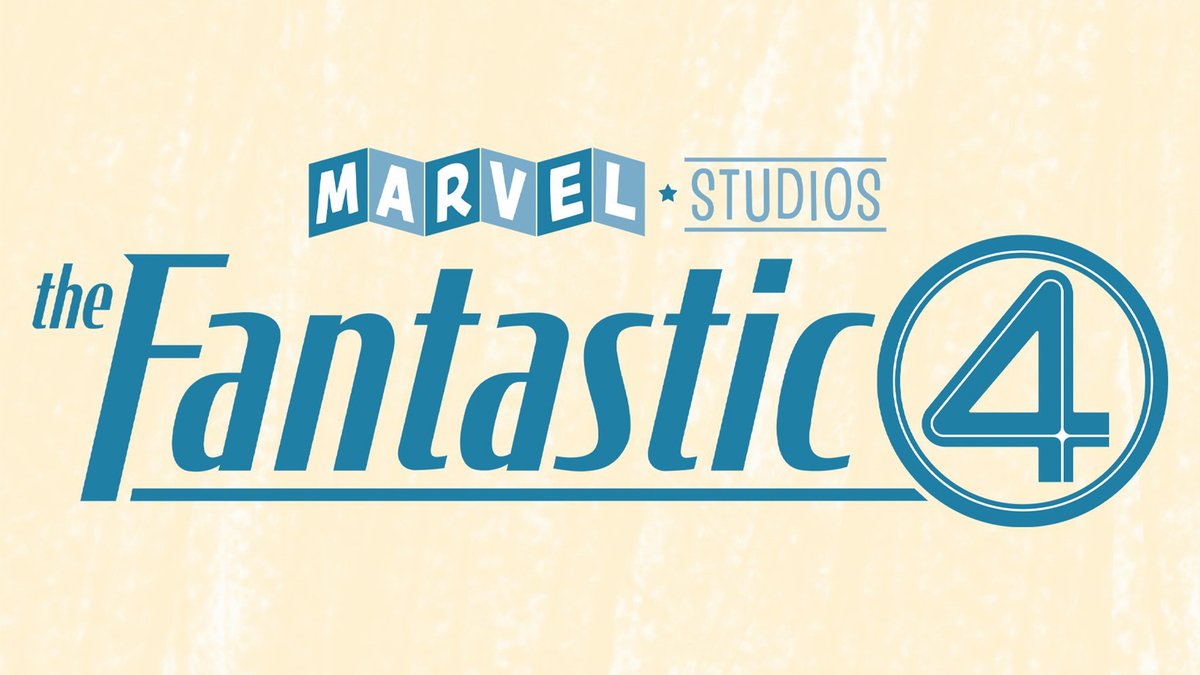
The Fantastic Four, Marvel's First Family, aren't just a group of extraordinary individuals; they are a cornerstone of superhero lore. Their journey, marked by scientific discovery, cosmic adventure, and profound personal ties, is reflected not only in their groundbreaking stories but also in the very emblem that graces their comic book covers and animated features: the iconic Fantastic Four logo. This visual shorthand for Mr. Fantastic, Invisible Woman, Human Torch, and The Thing has undergone a remarkable evolution, each iteration telling a subtle story about the franchise's direction, its challenges, and its enduring appeal.
Far more than just a piece of branding, the Fantastic Four logo serves as a visual diary of their saga, morphing with the times while retaining a core identity. From the genesis of their adventures in 1961, inspired by the success of DC's Justice League, to their latest "Fresh Start" iterations, the logo has adapted to reflect new creative teams, pivotal storylines, and changing media landscapes. Understanding its journey is like tracing the very pulse of the Marvel Universe.
The Enduring Legacy of Marvel's First Family, Visually Told
The Fantastic Four originated from a bold challenge to Stan Lee and Jack Kirby, leading to the creation of heroes who were scientists and adventurers first, family second. This unique blend of intellect, power, and relatability quickly endeared them to readers. Their logo, consequently, needed to convey not just power but also ingenuity and the evolving dynamics of a team continually pushing the boundaries of the known universe. It’s a powerful symbol of their collective strength and individual struggles, reflecting every twist and turn in their incredible history.
A Journey Through Time: The Comic Book Logo's Dynamic Evolution
The heart of the Fantastic Four's visual identity lies in its comic book logos, which have been painstakingly crafted to echo the narrative currents of each era. These logos don't just sit static on a cover; they actively participate in the storytelling, offering clues about the tone, themes, and even the emotional state of the team within. For those eager to delve into the detailed chronological shifts and discover the precise moment each visual change occurred, you’ll want to Explore the Fantastic Four logo history.
From Humble Beginnings: The Formative Years (1961-1970s)
The very first Fantastic Four logo, birthed in 1961 by Jack Kirby and Stan Lee, was a testament to raw, burgeoning energy. It featured dark blue, serifed letters of varying sizes, playfully set at different heights, hinting at the nascent team's hidden capabilities and the supernatural events unfolding within. Early issues experimented with red, blue, and yellow inscriptions, laying the groundwork for a colorful legacy.
By 1962, a significant change arrived with the introduction of black shadows behind white letters, a visual cue to the active battles and strengthening positions of the team, especially with the debut of Doctor Doom. This look, often featuring blue shadows and dropping "The" from the wordmark, would see several revivals over the decades. Then, in 1970, with the official trademark registration, the shadow shifted to a vibrant red, symbolizing the audience's growing love and the bright adventures ahead, a period when the first cartoon was already in motion.
Bold Statements and Reinventions: The Middle Eras (1970s-1990s)
The mid-70s brought a completely new emblem, signaling a higher level of mission for the team. The "Fantastic" letters curved in a semi-circle at the bottom, with "Four" neatly placed above, suggesting Earth's protection and extraordinary global power. This iteration played with white, red, and yellow, sometimes adopting a deep blood red with a black outline, giving an almost anti-heroic edge.
After Jack Kirby's departure in 1975, the logo took on slanted, three-dimensional capital letters of equal size, representing the franchise's dynamic development and the heroes' equal contributions to their worldwide fame. The early 1980s saw brief returns to previous styles, reflecting moments of revisiting past motivations or attempts to revive the series with new authors. The original 1961 logo even reappeared in 1985 during a reboot, symbolizing a fresh start, before the 1962 version made a comeback in the 90s to restore the original heroes after a less popular storyline.
Modern Era: Reboots, Resets, and a Fresh Start (2000s-Today)
The new millennium ushered in a period of bold experimentation. 2002 brought a fundamentally new logo: a blue oval enclosing the number 4, with "Fantastic Four" written above in red, separated by a red line. This oval represented the team's universe, the 4 signified the heroes, and the colors echoed their costumes and speed. This was a clear sign of Marvel searching for new directions.
In 2008, as Black Panther and Storm temporarily joined the team during darker comic storylines like Secret Invasion, a dark blue "Fantastic" ending in a blue circle containing a white number 4 emerged. This powerful design used dark shades to signify challenging times, with the circle representing the planet and the large 4 highlighting the team's significant contribution. As the comics continued to evolve, so did the logo, with a return to the forward tilt of the 1975 design for Dark Reign, and a smoother, arched blue logo in 2013 for a space-faring reboot. The poignant 2014-2015 logo, featuring a disappearing white "Fantastic" and a central "4," even symbolized the fading history of the comic series.
Finally, "Fresh Start" in 2018 marked a triumphant return. The current logo features a pointed inscription and the number 4 in a circle, blending white symbols of renewal with dark and light blue shadows to acknowledge the franchise's rich past. Its upward tilt projects an eternal continuation, striking a perfect balance between retro charm and modern dynamism.
Beyond the Panels: The Fantastic Four Logo Across Diverse Media
The Fantastic Four's influence extends far beyond comic book pages, reaching into animated series and blockbuster films, each requiring its own unique take on the iconic logo. While the core identity remains, the adaptations showcase how versatility is crucial for brand recognition across different visual mediums. To delve deeper into how the logo translates and transforms across different visual mediums, you'll want to Explore Fantastic Four logo evolution in our dedicated pillar.
Animated Adventures: From Classic Cartoons to Modern Series
The earliest animated adaptation in 1967-1968 featured a bold, enlarged number 4 over a purple background, complemented by a small sans-serif "Fantastic" wordmark. This straightforward approach quickly established the team's identity on television. The 1978 series adopted a red wordmark over yellow, clearly mirroring the comic book style of the era, adding "The" for a more traditional superhero team feel.
The 1990s brought a futuristic flair with the 1994-1996 animated series logo, showcasing metallic colors and a silver double ring with the number 4 inside, set against a cosmic background. This reflected a more high-tech, space-oriented vision. By 2006-2007, the animated logo refined this concept with a slightly changed font and a single ring around the emblem, utilizing a flat color scheme of purple, pale yellow, white, and red accents for a cleaner, more contemporary look.
The Cinematic Identity: From Silver Screen to Shared Universes
When the Fantastic Four made their way to the big screen, their logo underwent another transformation to suit the cinematic landscape. The most recognizable modern cinematic logo, prominent since 2015, opts for a simpler, metallic design. Its defining feature is the clever replacement of the middle letter "A" in "FANTASTIC" with the number 4 enclosed in a square box, instantly making the logo both sophisticated and universally recognizable for a new generation of viewers.
Decoding the Design: Colors, Fonts, and Enduring Symbolism
Beneath the ever-changing forms of the Fantastic Four logo lies a consistent language of design, built upon recurring colors and specific font choices that communicate the essence of the team. These elements are not arbitrary; they are deeply intertwined with the heroes' powers, personalities, and missions. For an in-depth exploration of how these graphic choices create meaning, make sure to Explore F4 logo design secrets.
The Palette of Power: Why Certain Colors Endure
The Fantastic Four's visual identity is heavily defined by a core palette: yellow, red, blue, and white. These colors are not just aesthetically pleasing; they are symbolic extensions of the heroes themselves:
- Blue: Often the dominant color, it symbolizes Mr. Fantastic's stretching abilities and flexibility. More broadly, blue represents the team's scientific origins and their collective knowledge.
- Red: Universally associated with the Human Torch's fiery powers, red also evokes danger, speed, and the intensity of their battles.
- White: Primarily linked to the Invisible Woman's transparent fields and invisibility, white also signifies renewal, purity, and new beginnings for the team.
- Yellow: A shade close to the Thing's rocky form, yellow frequently represents joy, success in their collective endeavors, and his unique strength.
While purple and silver have made appearances, particularly in animated iterations, these core four colors consistently anchor the Fantastic Four brand.
Typographic Tales: The Fonts That Defined a Franchise
The choice of typeface has also played a crucial role in shaping the Fantastic Four logo's character. For 25-30 years, grotesque-style fonts were predominant, lending a robust, no-nonsense feel. Sans-serif blocky styles have also been a consistent choice, conveying strength and modernity.
Occasionally, avant-garde styles were introduced for specific runs, though they often didn't gain the same enduring popularity as the more classic designs. The uniquely tilted inscription, sometimes featuring serrations that resemble monster fangs, has been a particularly powerful stylistic choice, hinting at sharp storylines, epic conflicts, and the team's dynamic movement through space and time.
The Unforgettable Mark: F4 Logo's Cultural Footprint
The Fantastic Four logo is more than just a commercial emblem; it's a cultural icon. It represents the very idea of a superhero family, a group bound by loyalty and love as much as by their powers. Its consistent presence, despite numerous redesigns, has solidified its place in the collective consciousness of comic book fans and the wider public alike. The logo signifies innovation, exploration, and the unbreakable spirit of humanity facing the unknown.
Its widespread recognition reflects the team's groundbreaking status as Marvel's first original superhero ensemble. It's a symbol that instantly connects generations, evoking nostalgia for long-time readers and sparking curiosity in newcomers. Understanding how this emblem has resonated with generations of fans is key; we invite you to Cultural Impact & Brand Recognition to learn more about its lasting significance.
Fans' Touch: Embracing and Reinventing the F4 Emblem
The power of an iconic logo isn't just in its official usage, but also in how it's embraced, celebrated, and even reinterpreted by its dedicated fanbase. The Fantastic Four logo, with its strong geometric shapes and evocative colors, has proven to be a fertile ground for fan art, unofficial merchandise, and even personal expressions like tattoos. These fan-created variations, while not official, underscore the logo's deep cultural resonance and the emotional connection people have with Marvel's First Family.
Whether it’s a reimagining for a futuristic setting, a retro tribute, or a personal interpretation combining elements of different eras, fans consistently find ways to make the F4 emblem their own. Witnessing how creators and fans alike have reinterpreted this iconic symbol offers a fresh perspective on its enduring legacy and creative potential, which you can dive into by choosing to Explore Fantastic Four fan art logos.
The Fantastic Four logo is a living entity, a dynamic representation of a team that continuously pushes boundaries. As Marvel's First Family continues to embark on new adventures, face new threats, and evolve as characters, their logo will undoubtedly keep pace, adapting and transforming to tell the next chapter of their extraordinary story. Its journey is far from over, promising more intriguing visual statements in the years to come.