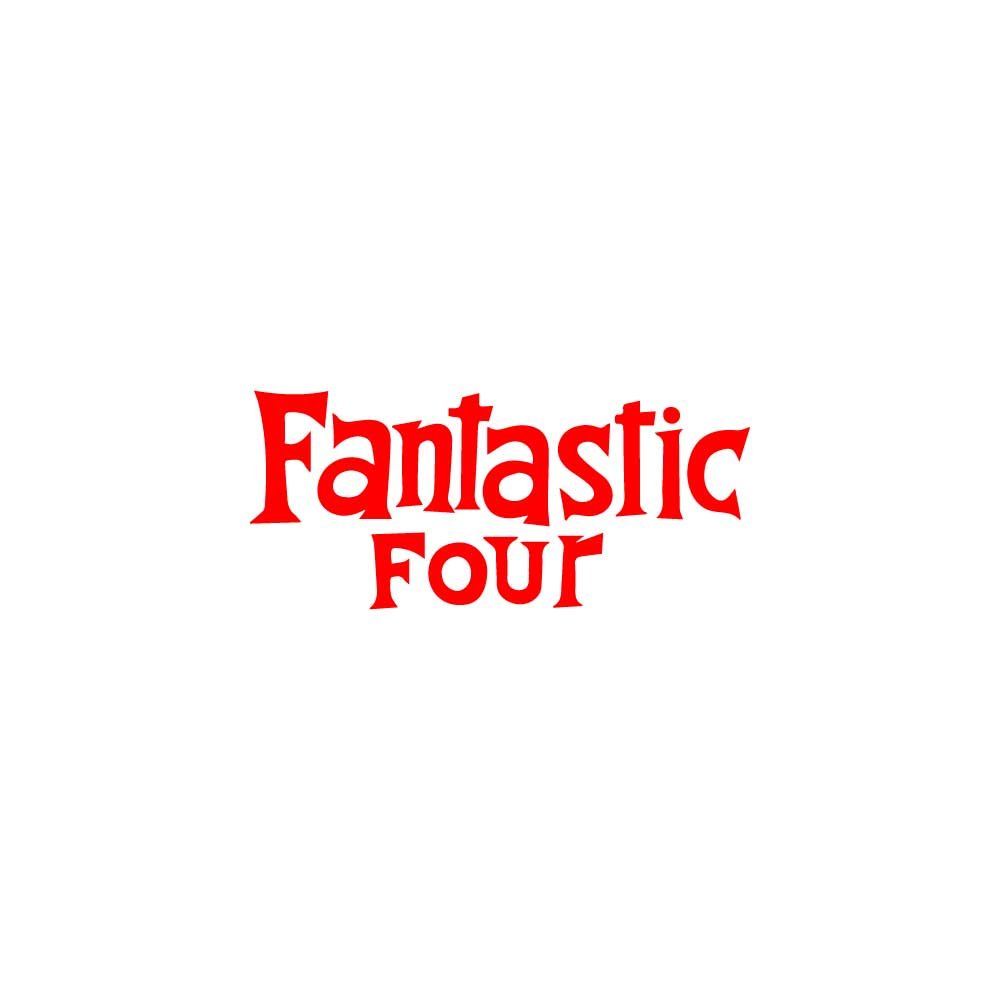
Few symbols in comic book history are as immediately recognizable or as enduring as the Fantastic Four logo. It's more than just a title; it's a shorthand for cosmic adventure, scientific exploration, and a unique blend of superheroics with family drama. Tracing the evolution of the Fantastic Four logo isn't just an exercise in graphic design history; it's a journey through six decades of Marvel Comics, reflecting shifts in artistic trends, storytelling priorities, and the very identity of Marvel's First Family. From its jagged, two-line debut in The Fantastic Four #1 in 1961 to its sleek, modern incarnation, this emblem has consistently adapted, yet always retained its core "4."
At a Glance: Key Takeaways from the FF Logo's Journey
- Early Inconsistency, Rapid Refinement: The first logo was complex and short-lived, quickly giving way to a more readable, centered design that would define the team's early decades.
- The "4" is Paramount: While the wordmark around it changed, the core visual identity has always revolved around a stylized glyph of the number 4.
- Color as Character: Predominantly blue and white, colors also frequently incorporated fiery reds and yellows, nodding to the Human Torch.
- Shifting Styles Reflect Eras: From grotesque and blocky fonts to more modern sans-serifs, the logo often mirrored prevailing design trends in comics and beyond.
- Cinematic Departures: Film and animated adaptations often took significant liberties, experimenting with metallic finishes, unique fonts, and emblem variations.
- Balancing Retro and Modern: The most successful and enduring designs strike a balance between nostalgic elements and contemporary aesthetics.
The Fantastic Four: A Quick Origin Story (and Why It Matters for Design)
Before we dive into the logos, understanding the Fantastic Four's groundbreaking debut helps set the stage for their visual identity. Created by Stan Lee and Jack Kirby, The Fantastic Four #1 (November 1961) wasn't just another superhero comic; it was a revolution. It introduced a team of super-powered adventurers—Mister Fantastic, Invisible Woman, Human Torch, and Thing—who gained their powers from cosmic rays during a perilous space mission. Unlike their more idealized predecessors, these heroes argued, had personal problems, and faced very human challenges alongside cosmic threats. This "Marvel Method" of storytelling, emphasizing character and realism, demanded a visual identity that felt equally dynamic and distinctive. The logo had to convey not just a team, but a family of explorers and heroes.
The Shifting Sands of the FF Logo: A Visual Timeline
The visual journey of the FF's emblem is a fascinating study in brand evolution, marked by both subtle refinements and bold reimaginations. Each era's logo tells a story about where the Fantastic Four stood in the comic book landscape.
The Genesis: 1961 – 1970s — Finding the "Fantastic" Identity
When The Fantastic Four #1 hit newsstands in November 1961, it sported a logo that, while impactful, was visually quite busy. The initial design featured an uneven, grotesque-style font, split into two lines, with "The" preceding "Fantastic." It was dark blue, left-aligned, and arguably a bit visually complicated. It certainly grabbed attention, but it lacked the immediate clarity and punch that would soon become its hallmark.
This first iteration was quickly refined. The second version kept a similar font style but inverted the colors to white letters with blue shadows. Critically, it was center-aligned and had a raised, almost three-dimensional appearance, significantly improving readability. And perhaps most importantly for long-term branding, the preceding "The" was dropped. This streamlined design was a resounding success, becoming the foundational visual for the team for many years. It was so effective, in fact, that variations of this core look would be revisited across three different eras, totaling 19 years of use. This early success highlights the importance of clarity and a strong central motif – the "Fantastic Four" itself.
As the team grew in popularity through the 1960s—introducing iconic villains like Doctor Doom (Fantastic Four #5, July 1962) and cosmic entities like Galactus and the Silver Surfer (Fantastic Four #48, March 1966)—their logo remained a consistent beacon. Minor tweaks, such as introducing a bright yellow with red shadows color scheme, occasionally emerged. This particular color choice, used for about eight years, reflected the growing focus on the fiery Human Torch and gave the logo an energetic, right-aligned dynamic.
The Experimental Years: 1970s – 1990s — Pushing the Boundaries
The 1970s and 80s saw Marvel, and the Fantastic Four, experiment more with their visual identity. After Jack Kirby, who largely defined the team's visual aesthetic, left Marvel in mid-1970, new artists and writers brought fresh perspectives.
One notable departure in logo design during this period featured a blocky, curved font. In this version, the word "Four" was cleverly fitted inside an arch created by "Fantastic," rendered in a deep blood red with a stark black outline. This particular design, used for roughly three years, exuded an "anti-hero" aesthetic, perhaps reflecting a grittier turn in some comic storylines or simply a desire for a bolder, edgier look in the changing comic landscape.
Later, a return to basics saw the introduction of a 3D, italicized blue and white wordmark, again center-aligned. This design aimed for a modern, futuristic style, signaling the team's continued relevance and technological prowess. This particular style proved quite resilient, reappearing for a cumulative total of eight years across different periods. It showed that while experimentation was welcome, there was an underlying preference for a clean, bold, and forward-looking aesthetic for the team.
The Modern Marvel: 1990s – Early 2000s — Refining for a New Millennium
The mid-1990s saw significant shifts for the Fantastic Four, including cancellations and relaunches like "Heroes Reborn" (1996) and subsequent re-establishments. These editorial changes were often accompanied by logo redesigns.
A design reminiscent of the early 1960s, but with updated execution, featured black outlines and increased inter-character spacing. This version aimed for improved visual appeal and readability, a nod to their classic roots but with a cleaner, more contemporary finish. It demonstrated an understanding that the brand's heritage was a strength.
However, not all experiments hit the mark. Around 2002-2004, a red and white design was superimposed over a silver and dark scarlet team emblem. While the emblem itself might have been visually striking, the logo text proved hard to read against the busy background. Despite this readability challenge, the design lasted two years, likely due to the appeal of the embedded team emblem. This highlights a common pitfall in logo design: sometimes, aesthetics can inadvertently compromise legibility.
The 21st Century & Beyond: 2005 – Present — Innovation and Homage
The 2000s brought the Fantastic Four into the cinematic spotlight, further fueling the need for a strong, adaptable visual identity. With the release of the first major film in 2005 and its sequel in 2007, the iconic Fantastic Four logo needed to resonate with a global audience.
In 2008, a markedly different iteration emerged for the comics. This design featured a plain, sans-serif wordmark, and a bold "4" emblem replaced the word "Four." Rendered in dark navy blue, it adopted a corporate, almost minimalist look. While clean, this design lasted only one year, suggesting that fans and perhaps creators desired something with more personality than a purely corporate aesthetic. The Fantastic Four, after all, are a family, not a faceless corporation.
A 2013 design attempted a comeback to retro aesthetics, using a similar arched shape to a 1972 version but with softly rounded letters and the familiar blue color. Despite its nostalgic appeal, it too lasted only a year. This hinted that while fans appreciated nods to the past, they often preferred updated visuals that evolved the brand rather than simply replicated old designs. The challenge lies in blending history with modern aesthetics, not just repeating it.
The 2014 version stands out as a more experimental design. It literally spelled "FANTASTK" with a stylized "4" replacing the middle "A." Colored white with gray accents, it was a bold attempt to integrate the core "4" directly into the wordmark. However, this design struggled to effectively blend history with modern aesthetics and also saw a brief tenure of just one year. It demonstrates the difficulty in radically altering a beloved, long-standing visual identity without alienating a loyal fanbase.
The Current Logo (2018-Present): A Harmonious Blend
The current Fantastic Four logo, introduced in 2018 with Dan Slott's run, strikes a masterful balance. It deftly marries retro design elements with subtle modern touches. The wordmark itself features white accented with darkening blue, giving it depth and a classic superhero feel. Crucially, a distinct team emblem in the corner, colored yellow darkening to a fiery orange, prominently incorporates Johnny Storm's signature color. This design succeeds by acknowledging the team's rich history while feeling fresh and vibrant, embodying their multifaceted appeal. It’s a testament to how the Fantastic Four, even after six decades, continues to evolve while honoring its roots.
The Fantastic Four in Other Media: Logo Variants on Screen
The comics are one thing, but how does the Fantastic Four translate to other media? Each animated series and film has taken its own approach to this enduring superhero brand's visual identity, adapting it for different audiences and stylistic conventions.
Animated Series Logos
- 1967 Animated TV Series: Hanna-Barbera's The Fantastic Four presented a logo with a bold, enlarged "4" sitting prominently over a purple background. The "Fantastic" wordmark was a clean sans-serif, and the entire team stood heroically in front of it. This design emphasized the "4" as a central icon and leveraged the visual appeal of the team members themselves.
- 1978 Animated Series: DePatie-Freleng's take saw a red wordmark over a bright yellow background. The style was very much in line with the era's comic books, and interestingly, it reintroduced "The" before "Fantastic Four," a detail often dropped in the comics. This speaks to how animated adaptations sometimes prioritize clarity for younger, broader audiences.
- 1994 Animated Series: Broadcast as part of The Marvel Action Hour, this series’ logo was distinct from the comic book versions of the time. It typically featured the team name in a heroic, slightly metallic font, often integrated with a stylized background or emblem. It needed to stand out on television and appeal to a new generation.
- 2006 Animated Series (World's Greatest Heroes): This iteration featured a slightly changed font for the wordmark, a single ring around the emblem, and a flat color scheme of purple and pale yellow with white and red accents. It had a more graphic, stylized look that suited its contemporary animation style.
Cinematic Release Logos
- 1994 Film (Unreleased): Roger Corman's low-budget adaptation, made purely to retain film rights, would have featured a logo of its time – likely bold, perhaps leaning into sci-fi aesthetics of the early 90s, but details are scarce given its lack of public release.
- 2005 Fantastic Four Film: The first major live-action film presented a logo with metallic colors. It prominently featured a silver double-ring emblem with the "4" at its center, set against a celestial background. This design skillfully fused a futuristic, sci-fi style with the team's cosmic origins, making it feel grand and cinematic.
- 2007 Fantastic Four: Rise of the Silver Surfer Film: The sequel largely maintained the successful visual identity of its predecessor, often refining the metallic textures and cosmic backdrop. Consistency across sequels is key for brand recognition, and this logo delivered on that front.
- 2015 Fant4stic Film: This reboot attempted a radical departure. The logo returned to metallic coloration but was notably simple and no-nonsense. Its most distinguishing feature was replacing the middle "A" in "FANTASTIC" with a "4" enclosed in a square box, abandoning the traditional ring emblem. This minimalist, almost deconstructed approach aimed for a grittier, more grounded feel, but ultimately struggled to resonate with audiences, mirroring the film's own reception. It serves as a strong example of how sometimes, sticking closer to established visual cues can be more effective than a complete overhaul, especially for a beloved, long-standing brand.
The Future: MCU Fantastic Four
With film rights now reverted to Marvel Studios and an MCU Fantastic Four film announced, the world eagerly awaits the next iteration of the logo. Given Marvel Studios' track record of both honoring source material and delivering sleek, modern designs, it's highly anticipated that the new logo will blend classic Fantastic Four iconography with the polished aesthetic familiar to the Marvel Cinematic Universe. Perhaps it will be a stylized "4" with cosmic energy radiating from it, or a sophisticated wordmark that hints at Reed Richards' scientific genius. The challenge will be creating a design that feels both fresh for a new generation and deeply respectful of the team's six-decade legacy.
Consistent Threads: The Enduring Elements of the FF Brand
Despite myriad changes, certain core elements have remained consistent throughout the Fantastic Four's visual history, reinforcing their brand identity.
- Color Palette: The dominant colors have almost always revolved around white and blue. These hues evoke science, purity, and the vastness of space—all central themes for the team. Occasional splashes of yellow and red often appear, directly referencing the Human Torch's fiery presence and adding dynamism. Animated iterations, however, have broadened this, sometimes incorporating purple and silver.
- Font Styles: The logo's textual component has largely favored two main styles:
- Grotesque-style fonts: These bold, somewhat irregular sans-serifs, particularly common in the early decades, gave the logo a powerful, almost comic-book-specific energy. They were used for a combined 25-30 years.
- Sans-serif blocky fonts: Clean, strong, and highly readable, these fonts project an image of stability and modernism.
- While avant-garde or highly stylized fonts were attempted, their popularity and longevity were limited, reinforcing the idea that clarity and impact are paramount.
- The "4" as an Emblem: Whether integrated into the wordmark, standing alone, or encircled, the stylized number "4" is the undeniable keystone of the Fantastic Four's brand. It’s an almost perfect piece of abstract branding—simple, memorable, and instantly linked to the team. This numerical glyph has become as iconic as the "S" shield or the Bat-signal.
- Wordmark with Retro Roots, Modern Aesthetic: At its heart, the Fantastic Four logo has consistently been a powerful wordmark. Even the most modern designs often subtly nod to these retro roots, demonstrating a keen understanding of the brand's heritage. The current logo perfectly embodies this by incorporating historical design cues within a polished, contemporary aesthetic.
Decoding the Power of a Logo: What the FF Emblem Teaches Us
The journey of the Fantastic Four logo is a masterclass in brand longevity and adaptation. It shows that even for a fictional entity, a visual identity isn't static; it's a living, breathing part of its story. Each alteration, whether a subtle color shift or a complete stylistic overhaul, reflects a moment in time, an attempt to connect with a changing audience, or a creative vision for the team's future.
For you, whether you're building a brand, appreciating design, or simply a fan of the Fantastic Four, understanding how the Fantastic Four's emblem has changed offers valuable insights:
- Consistency is Key, but Adaptability is Vital: The core "4" and the blue/white palette have been constants, but the surrounding design evolved. Know what your core brand elements are, and be willing to iterate on the rest.
- Readability Over Novelty: Some of the short-lived logos were aesthetically interesting but failed due to readability issues. If your audience can't quickly grasp your message, even the coolest design won't work.
- Context Matters: Logos for comics, animated series, and films often differ because they serve different media and audiences. Tailor your design to its intended platform.
- Embrace Your History: The most successful modern FF logos skillfully integrate retro elements, showing respect for legacy while pushing forward.
- Listen to Your Audience (and Your Brand): Designs that strayed too far from the Fantastic Four's core identity—whether too corporate or too abstract—often didn't last. A logo must feel authentic to the brand it represents.
Ultimately, the full spectrum of Fantastic Four's branding evolution isn't just a series of images; it’s a narrative of innovation, adaptation, and the enduring power of a symbol that represents science, adventure, and family. It’s a fantastic testament to the very team it champions: always striving, always changing, yet always, unmistakably, the Fantastic Four.